Maintaining a properly functioning plumbing system is essential for the health, safety, and comfort of any building, yet one of the most frequently neglected aspects of property maintenance is the condition of the sewer system. Sewers are responsible for carrying wastewater away from homes, businesses, and industrial facilities, and when they become blocked or deteriorated, the consequences can be both severe and costly. Regular sewer cleaning ensures that water and waste flow freely through pipes, prevents the risk of backups and flooding, protects the structural integrity of the building, and minimizes exposure to harmful bacteria and pathogens that may arise from stagnant wastewater. Understanding the importance of sewer maintenance, recognizing the signs of potential problems, and knowing the most effective methods for cleaning are essential steps in preventing plumbing emergencies and preserving the long-term efficiency of the sewer system.
Understanding the Importance of Sewer Cleaning
Sewer cleaning is not merely a matter of convenience; it is a fundamental aspect of maintaining a hygienic and safe environment. Over time, sewer pipes accumulate debris, grease, soap residue, hair, food particles, and other solids that gradually restrict the flow of wastewater. This buildup can lead to slow drainage, foul odors, and eventually, complete blockages, which may cause sewage to back up into homes or commercial spaces. Beyond the immediate inconvenience, blocked sewers can pose serious health risks, as stagnant wastewater serves as a breeding ground for bacteria, viruses, and mold, which can contribute to respiratory problems, skin infections, and other illnesses. By investing in regular professional sewer cleaning, property owners can significantly reduce the risk of health hazards while ensuring the efficient operation of their plumbing system, ultimately extending the lifespan of pipes and avoiding costly emergency repairs.
Recognizing the Early Signs of Sewer Problems
Identifying the warning signs of a blocked or malfunctioning sewer system is crucial for timely intervention and prevention of major damage. Common indicators include slow-draining sinks, bathtubs, and toilets, which often signal that debris is restricting water flow within the pipes. Unpleasant or unusual odors emanating from drains or outside the property are another red flag, indicating the presence of trapped wastewater or sewer gases. Other symptoms may include gurgling sounds from pipes, water pooling in unexpected areas, soggy patches in the yard, and frequent sewer backups that persist despite basic plumbing remedies. Recognizing these early warning signs and consulting a professional sewer cleaning service promptly can prevent minor issues from escalating into extensive damage, costly repairs, and potentially hazardous living conditions.
Common Causes of Sewer Blockages
Understanding the root causes of sewer blockages allows property owners to take preventive measures and reduce the likelihood of recurring problems. One of the most common causes is the buildup of grease, oil, and fats from kitchens, which solidify inside the pipes over time and obstruct the smooth flow of wastewater. Foreign objects, such as wet wipes, sanitary products, diapers, toys, and other non-flushable items, often accumulate and cause localized blockages. Tree roots are another frequent culprit, as roots naturally seek moisture and can infiltrate sewer pipes through tiny cracks or joints, eventually causing severe obstruction or pipe damage. Aging pipes, whether made of clay, metal, or older plastic materials, can deteriorate, corrode, or collapse, further restricting the flow of wastewater. Additionally, heavy rainfall and flooding can overwhelm sewer systems, causing debris to clog the pipes and exacerbate pre-existing weaknesses. By understanding these causes, property owners can implement preventive strategies such as avoiding the disposal of grease down drains, maintaining tree distances from sewer lines, and scheduling regular professional maintenance.
Methods Employed in Professional Sewer Cleaning
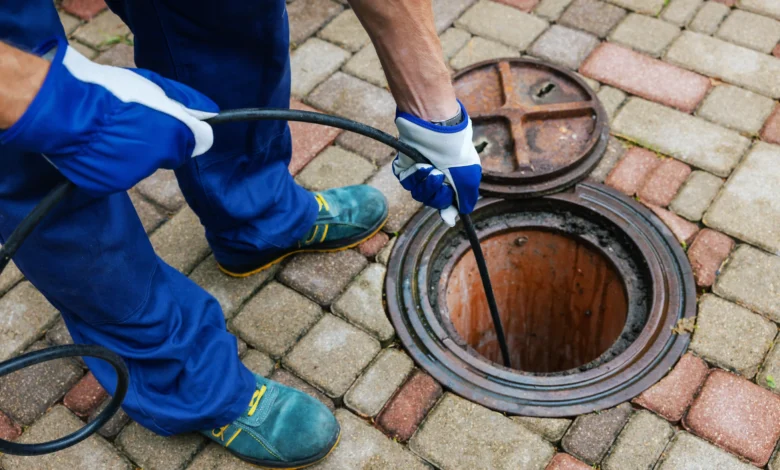
Modern sewer cleaning utilizes a variety of techniques designed to address different types of blockages efficiently and safely. Professionals first conduct a thorough assessment to determine the extent and nature of the obstruction and then select the most appropriate cleaning method. Hydro jetting is a widely used technique that employs high-pressure water streams to remove grease, sludge, and other deposits from the interior surfaces of pipes, ensuring smooth and unrestricted flow. Mechanical snaking or augering involves inserting a flexible cable with a cutting or grinding head into the pipes to break up solid debris or roots that may be obstructing the line. In many cases, CCTV pipe inspections are employed before or after cleaning, allowing technicians to visually assess pipe conditions, identify cracks or leaks, and verify the effectiveness of the cleaning process. Chemical cleaning may also be utilized, where environmentally safe solutions dissolve grease or organic matter within the pipes, though such methods are applied with caution to avoid damaging the plumbing infrastructure. Selecting the correct method based on the type and severity of the blockage is critical for ensuring long-lasting results, and a professional sewer cleaning company is equipped to make these determinations accurately.
Preventive Measures to Maintain Sewer Health
Prevention is consistently more effective and cost-efficient than addressing emergencies after they occur. Property owners can adopt several practical strategies to maintain sewer health and minimize the likelihood of blockages. Avoiding the disposal of fats, oils, and grease down kitchen drains is a simple yet highly effective practice. Items that are not designed to be flushed, including wipes, sanitary products, and paper towels, should be disposed of in trash receptacles rather than introduced into the plumbing system. Installing drain strainers in sinks, showers, and tubs helps capture hair, food particles, and other debris before they can enter the sewer pipes. Routine inspections and scheduled professional cleaning of sewer lines, especially for older plumbing systems, allow for the early detection of potential problems. Additionally, planting trees and large shrubs away from sewer lines can prevent root intrusion, which is one of the leading causes of pipe damage. Implementing these preventive measures significantly reduces the risk of severe blockages and extends the lifespan of the sewer infrastructure.
Health and Environmental Benefits of Sewer Cleaning
Proper sewer cleaning has significant health and environmental advantages beyond merely preventing clogs. Blocked or damaged sewer systems can expose residents and occupants to bacteria, viruses, mold, and other harmful microorganisms, posing serious health risks. Sewage backups or overflows can also contaminate soil and local water sources, adversely affecting both human health and the surrounding ecosystem. Regular professional sewer maintenance helps mitigate these risks by ensuring the safe and hygienic flow of wastewater, preventing odors and unsanitary conditions, and minimizing the potential for environmental contamination. Maintaining a clean sewer system also contributes to water conservation by reducing leaks and inefficiencies in the wastewater flow, ultimately supporting sustainable property management and ecological responsibility.
Advantages of Hiring Professional Sewer Cleaning Services
While some property owners attempt do-it-yourself solutions for sewer maintenance, professional services offer clear advantages that ensure safety, effectiveness, and long-term results. Experienced technicians have access to specialized equipment, including high-pressure hydro jetting systems, mechanical augers, and CCTV inspection cameras, which enable thorough cleaning without causing damage to the pipes or property. Professionals possess the knowledge and expertise to accurately identify the underlying causes of blockages, assess the structural condition of sewer lines, and recommend long-term solutions that prevent recurring problems. Compliance with safety and environmental regulations is another benefit of professional services, as trained technicians handle hazardous waste appropriately and operate equipment safely. By relying on a qualified sewer cleaning service, property owners minimize the risk of improper cleaning, accidental damage, or incomplete obstruction removal, ensuring that their plumbing system remains fully functional and efficient.
Cost Considerations and Long-Term Investment in Sewer Maintenance
The cost of sewer cleaning varies based on factors such as the cleaning method employed, the severity and location of the blockage, the length and condition of the pipes, and any additional inspections required. While professional services may appear costly at first glance, the investment is justified when considering the avoidance of severe backups, property damage, health hazards, and emergency repair expenses. Detailed estimates from reputable service providers allow property owners to understand the scope of work, methods to be used, and associated costs, facilitating informed decision-making. Ultimately, regular professional sewer maintenance represents a long-term investment in the safety, efficiency, and longevity of the property’s plumbing infrastructure.
Advanced Technology in Modern Sewer Cleaning
Technological advancements have significantly enhanced the efficiency and precision of sewer cleaning services. CCTV inspection cameras allow technicians to visualize the interior of pipes in real-time, detect cracks, leaks, and blockages, and monitor the effectiveness of cleaning procedures. High-pressure hydro jetting systems can clear stubborn debris and grease buildup without causing damage to older or fragile pipes. Additionally, modern sensors and diagnostic tools can identify potential weaknesses in the sewer system, enabling preventive maintenance before minor issues escalate into emergencies. Utilizing these technologies ensures that sewer cleaning is not only thorough but also minimally invasive, providing greater reliability and extending the lifespan of sewer infrastructure.
Even with regular maintenance, aging or severely damaged sewer systems may eventually require replacement. Signs that replacement may be necessary include repeated blockages despite thorough cleaning, persistent foul odors, slow drainage across multiple fixtures, frequent sewage backups, and structural deterioration of the pipes themselves. Consulting a professional sewer cleaning company can help determine whether repair, partial replacement, or complete replacement is the most practical and cost-effective solution. Timely intervention ensures that wastewater systems continue to function efficiently while minimizing the risk of property damage, health hazards, and environmental contamination.
Conclusion: Maintaining Clean, Safe, and Efficient Sewers
Sewers are an essential component of any building’s plumbing system, and their proper maintenance is critical for hygiene, safety, and long-term property value. Recognizing early warning signs of blockages, understanding the causes of sewer problems, and relying on professional cleaning services ensures the safe and efficient flow of wastewater throughout the system. Routine inspections, preventive maintenance, and timely professional intervention reduce the risk of costly repairs, health hazards, and environmental contamination, while extending the operational lifespan of the plumbing infrastructure. Partnering with a reputable sewer cleaning service guarantees access to advanced equipment, skilled technicians, and long-term solutions, making the sewer system safer, cleaner, and more reliable for years to come.