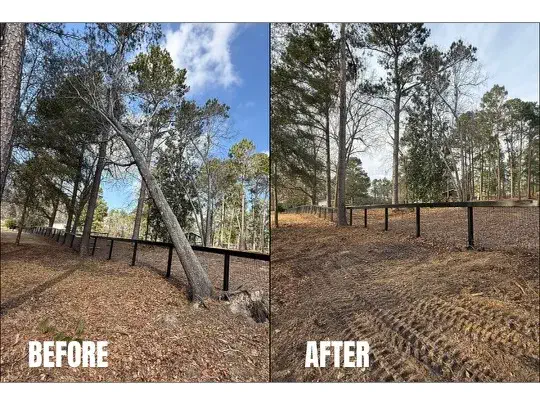
Trees add immense value, refreshing shade, and natural beauty to any residential or commercial property. They anchor your landscaping and provide a welcoming atmosphere for guests. However, nature remains unpredictable. A sudden severe storm, a hidden fungal disease, or an aggressively expanding root system can quickly turn a beloved backyard fixture into a serious hazard. Handling these massive, heavy structures requires precision, deep experience, and highly specialized tools.
That is exactly where BW Tree Removal steps in to assist property owners. Trying to cut down a large, leaning trunk on your own frequently leads to disastrous consequences, including severe physical injuries or incredibly costly property damage. The risks associated with climbing ladders with heavy machinery are simply too high for the average homeowner to take on. Trusting a dedicated, professional team ensures the job gets done seamlessly from start to finish.
Our crew brings years of hands-on expertise to every single yard we visit. We deeply understand the unique challenges of local landscapes and provide practical solutions tailored to your specific environmental needs. From clearing away dead, overhanging branches to entirely extracting massive, stubborn stumps, BW Tree Removal delivers total peace of mind. We handle the heavy lifting so you can enjoy a flawless outdoor space.
Why Professional Arborists Make a Difference
Many property owners underestimate the complex physics involved in bringing down a towering pine or a sprawling oak. A professional service approaches the situation with a calculated strategy, minimizing risk to everything surrounding the drop zone.
Unmatched Safety Standards
Safety remains the absolute highest priority during any extraction project. A falling branch can easily crush a roof, shatter a car windshield, or take down active neighborhood power lines. The experts at BW Tree Removal utilize industry-leading safety harnesses, rigging gear, and secure lowering techniques. We carefully map out the trajectory of every cut before starting the chainsaw. This meticulous planning guarantees that your family, your neighbors, and your physical property remain entirely unharmed throughout the process.
Preserving Your Home’s Value
A dead or dying tree is an undeniable eyesore that drastically reduces your home’s curb appeal. If you are looking to sell your property or simply want to impress your neighbors, leaving a rotting stump in the front yard works against you. By utilizing BW Tree Removal, you instantly revitalize the aesthetic appeal of your land. Clearing out dangerous or dead vegetation opens up your yard to more natural sunlight, allowing your lawn and remaining plants to thrive and boosting your overall property value.
The BW Tree Removal Experience
Choosing a service provider means inviting a crew onto your private property. We take that responsibility very seriously and strive to deliver a customer experience that exceeds your expectations at every single turn.
Advanced Techniques and Tools
You cannot tackle a massive hardwood with rusty equipment and crossed fingers. BW Tree Removal invests heavily in state-of-the-art machinery. Our fleet includes heavy-duty cranes, commercial-grade wood chippers, and precision cutting tools. This top-tier equipment allows us to work efficiently and safely, even in tight, hard-to-reach spaces between houses or near delicate fences. We complete projects in a fraction of the time it would take an amateur crew, saving you time and frustration.
Comprehensive Cleanup
Nobody wants to hire a company to fix a problem, only to be left with a completely different mess to clean up. We strongly believe that our job is not finished until your yard looks immaculate. After the main structure is dismantled and safely removed, our team diligently clears away all leftover debris, wood chips, and scattered twigs. We offer stump grinding services to completely erase any trace of the old trunk, leaving you with a smooth, clear patch of land ready for new landscaping projects.
Recognizing the Warning Signs
Acting proactively can save you from a massive headache down the line. It helps to know exactly what to look out for when assessing the health of your landscape.
Disease and Decay
Fungi, invasive pests, and root rot can hollow out a trunk from the inside. You might notice deep cracks in the bark, extensive peeling, or large cavities forming near the base. If the leaves suddenly drop completely out of season, the structure is likely failing. BW Tree Removal can quickly assess the situation and safely eliminate the diseased vegetation before it collapses unexpectedly.
Storm Damage
High winds and heavy ice accumulation regularly snap large branches, leaving them dangling precariously above your driveway or patio. Even if the trunk itself survives the storm, these “widow-makers” pose a constant, looming threat. Prompt removal is necessary to restore safety to your daily routine.
Protect Your Property Today
BW Tree Removal helps you maintain a beautiful, safe, and welcoming landscape with the right professional support. Letting a dead or dangerously leaning trunk linger on your property invites unnecessary risk and diminishes the hard work you put into your home. You deserve an outdoor space where you can relax without constantly looking over your shoulder.
Take the next step toward securing your property’s safety and beauty. Contact the experts at BW Tree Removal today to schedule a comprehensive assessment of your landscape. Let our experienced crew provide the fast, friendly, and reliable service you need to keep your yard looking its absolute best all year round.