How to Handle Pool Repair Issues Quickly and Effectively: Expert Tips for Fixing Structural Damage and Restoring Water Quality

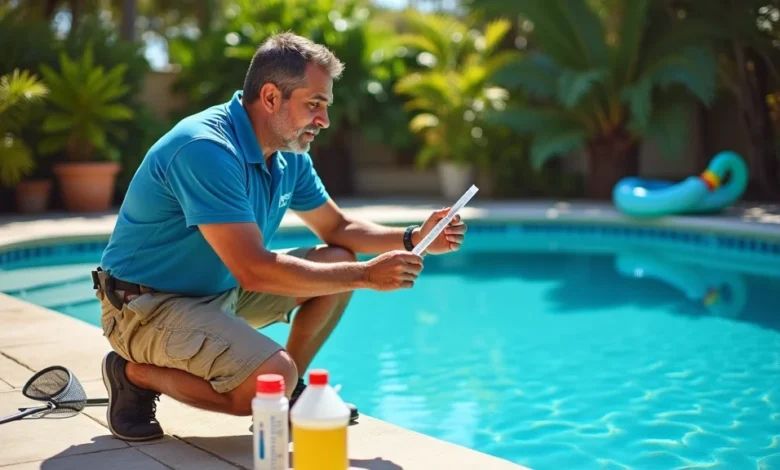
A swimming pool is more than just a luxury addition to a property it is a source of relaxation, recreation, and even fitness. However, over time, pools can develop issues that compromise their appearance, functionality, and safety. From minor cracks and leaks to major structural concerns, addressing these problems promptly is essential to avoid costly replacements. Understanding the fundamentals of pool repair, maintenance practices, and preventive care can save both time and money while ensuring your pool remains in excellent condition for years.
Understanding Common Pool Problems
Pools are constantly exposed to water pressure, chemicals, weather conditions, and daily use. This exposure makes them vulnerable to wear and tear. One of the most common issues pool owners encounter is surface damage. Cracks in plaster, tiles falling off, or discoloration are signs that attention is needed. These issues not only affect aesthetics but can also lead to more serious structural problems if ignored.
Leaks are another frequent concern. Even a small leak can result in significant water loss over time, increasing utility costs and potentially damaging the surrounding area. Identifying leaks early is crucial, as prolonged water seepage can weaken the pool’s foundation.
Equipment failure is also a major factor in pool deterioration. Pumps, filters, and heaters are essential components that keep the water clean and comfortable. When these systems malfunction, the overall health of the pool is compromised, leading to cloudy water or algae growth.
The Importance of Timely Repairs
Delaying necessary fixes can escalate minor issues into major expenses. For example, a small crack in the pool surface might seem harmless at first, but it can expand due to water pressure and temperature changes. Eventually, this can result in structural damage that requires extensive restoration work.
Timely pool repair not only prevents further damage but also ensures safety. Loose tiles or sharp edges can pose risks to swimmers, especially children. Maintaining a well-functioning pool environment is essential for preventing accidents and ensuring peace of mind.
Additionally, regular inspections and prompt repairs help preserve the value of your property. A well-maintained pool enhances curb appeal and can be a significant selling point if you decide to put your property on the market.
Types of Pool Repairs
There are various types of repairs depending on the issue at hand. Surface repairs typically involve fixing cracks, resurfacing plaster, or replacing damaged tiles. These tasks require specialized materials and expertise to ensure durability and a seamless finish.
Structural repairs are more complex and may involve reinforcing the pool shell or addressing foundational issues. These repairs often require professional intervention, as improper handling can worsen the problem.
Plumbing repairs focus on fixing leaks, broken pipes, or faulty connections. Since most pool plumbing is underground, detecting and repairing these issues can be challenging without the right tools.
Equipment repairs involve servicing or replacing components like pumps, filters, and heaters. Keeping these systems in optimal condition is essential for maintaining water quality and overall pool performance.
Signs Your Pool Needs Attention
Recognizing early warning signs can help you address problems before they become severe. One clear indicator is a sudden drop in water level. While some evaporation is normal, a significant decrease may indicate a leak.
Another sign is persistent algae growth despite regular cleaning and chemical treatment. This could point to poor circulation or filtration issues. Similarly, cloudy or discolored water often signals an imbalance in chemical levels or malfunctioning equipment.
Unusual noises from pool equipment should not be ignored. Grinding or rattling sounds from pumps or filters may indicate mechanical problems that require immediate attention.
Cracks, stains, or rough surfaces are also red flags. These issues not only affect the pool’s appearance but can also cause discomfort or injury to swimmers.
The Role of Professional Expertise
While some minor maintenance tasks can be handled by pool owners, many repairs require professional knowledge and tools. Experts in pool repair have the experience to accurately diagnose problems and implement effective solutions.
Professionals use advanced techniques such as pressure testing, dye testing, and electronic leak detection to identify hidden issues. They also have access to high-quality materials that ensure long-lasting results.
Hiring a professional can save time and prevent costly mistakes. Attempting complex repairs without proper knowledge may lead to further damage, ultimately increasing expenses.
Preventive Maintenance Strategies
Prevention is always better than cure, especially when it comes to pool care. Regular maintenance routines can significantly reduce the need for major repairs. Cleaning the pool regularly, checking chemical levels, and inspecting equipment are essential tasks.
Maintaining proper water chemistry is crucial for preventing corrosion, scaling, and algae growth. Balanced pH levels ensure the longevity of pool surfaces and equipment while providing a safe swimming environment.
Routine inspections can help identify potential issues early. Checking for cracks, leaks, or equipment malfunctions allows you to address problems before they escalate.
Seasonal maintenance is also important. Preparing your pool for different weather conditions helps protect it from damage. For example, covering the pool during off-seasons can prevent debris accumulation and reduce wear.
Cost Considerations and Budgeting
The cost of repairs can vary widely depending on the severity of the issue and the type of pool. Minor fixes such as replacing tiles or patching small cracks are relatively affordable, while major structural repairs can be more expensive.
Budgeting for regular maintenance and occasional repairs is essential for pool owners. Setting aside funds for unexpected issues ensures that you can address problems promptly without financial strain.
Investing in quality materials and professional services may seem costly initially, but it often results in long-term savings by reducing the need for frequent repairs.
Enhancing Pool Longevity
Taking proactive steps to maintain your pool can significantly extend its lifespan. Using a pool cover when the pool is not in use helps protect it from debris and harsh weather conditions.
Upgrading equipment to energy-efficient models can improve performance and reduce operating costs. Modern pumps and filters are designed to be more durable and require less maintenance.
Regularly brushing and vacuuming the pool prevents buildup of dirt and algae, keeping surfaces in good condition. Ensuring proper water circulation also helps distribute chemicals evenly, preventing localized damage.
DIY vs Professional Repairs
Deciding whether to handle repairs yourself or hire a professional depends on the complexity of the issue. Simple tasks such as cleaning filters or adjusting chemical levels can be done independently.
However, more complicated problems such as structural damage, plumbing issues, or electrical faults should be left to experts. Attempting these repairs without proper knowledge can lead to safety hazards and additional costs.
Understanding your limitations and knowing when to seek professional help is crucial for effective pool maintenance.
Environmental and Safety Considerations
Pool maintenance also involves environmental responsibility. Proper disposal of chemicals and minimizing water waste are important practices. Fixing leaks promptly helps conserve water and reduces environmental impact.
Safety should always be a priority. Ensuring that pool surfaces are smooth, equipment is functioning correctly, and water is clean helps prevent accidents and health issues.
Installing safety features such as covers, fences, and alarms adds an extra layer of protection, especially for households with children or pets.
Long-Term Benefits of Proper Care
Consistent maintenance and timely repairs offer numerous benefits. A well-maintained pool provides a safe and enjoyable environment for family and friends. It also reduces stress by minimizing unexpected issues.
Moreover, proper care enhances the aesthetic appeal of your property. A clean, well-functioning pool creates a welcoming atmosphere and adds value to your home.
Investing in regular upkeep ensures that your pool remains a source of enjoyment rather than a burden.
Final Thoughts
Owning a pool comes with responsibilities, but with the right approach, it can be a rewarding experience. Understanding common issues, recognizing warning signs, and implementing preventive measures are key to maintaining a healthy pool.
Timely pool repair in Miami plays a crucial role in preserving the integrity and functionality of your pool. By addressing problems early and seeking professional assistance when needed, you can avoid costly replacements and extend the life of your investment.
Ultimately, a well-maintained pool is not just about aesthetics it is about safety, efficiency, and long-term value. With consistent care and attention, your pool can remain a refreshing and enjoyable feature for many years to come.