How to Find Reliable Truck Parking Spaces Without Delays While Ensuring Safety, Accessibility, and Compliance With Local Regulations

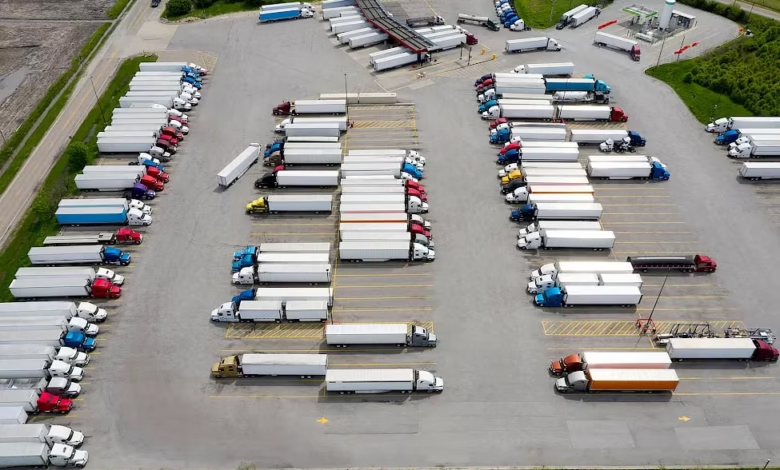
Truck parking is an essential yet often underestimated aspect of the transportation and logistics industry. For drivers, fleet managers, and businesses, proper parking solutions impact safety, operational efficiency, and overall productivity. With the increasing demands of modern logistics and long-haul transportation, understanding the challenges and strategies for effective truck parking has never been more critical.
Despite its importance, truck parking is a persistent challenge in many regions. Limited availability, poor facility design, and growing freight volumes contribute to congestion and inefficiencies. Addressing these issues requires a combination of infrastructure investment, technological solutions, and smart planning.
The Importance of Truck Parking
Truck parking is about much more than just a place to stop. For professional drivers, adhering to hours-of-service regulations is mandatory, ensuring adequate rest and preventing fatigue. Without access to safe parking spaces, drivers may be forced to stop in unsafe or unauthorized areas, increasing the risk of accidents and legal violations.
Additionally, insufficient parking affects operational efficiency. Drivers searching for available spaces waste valuable time and fuel, leading to delays in delivery schedules. Fleet managers face higher costs and logistical challenges when parking availability is inconsistent or inadequate. Safe, well-planned parking facilities directly support driver well-being, safety, and timely deliveries.
Challenges in Truck Parking
Truck parking faces several challenges, many of which stem from demand exceeding supply. Highways, urban centers, and key logistics hubs often experience overcrowded parking areas, forcing drivers to make difficult decisions about where to stop.
Security is another major concern. Unmonitored or poorly lit parking areas increase the risk of cargo theft and vehicle vandalism. Drivers and companies prioritize locations with surveillance, fencing, and secure entry points, but such options are limited and often come at a higher cost.
Accessibility and maneuverability are also important. Some parking areas are poorly designed, with tight turns, insufficient space for large vehicles, or uneven surfaces, making it difficult for trucks to park safely.
Types of Truck Parking Facilities
Truck parking facilities vary widely in size, amenities, and security. Public rest areas are the most common, offering basic amenities such as restrooms and vending machines. While convenient, these areas frequently reach capacity during peak travel times.
Private truck stops provide a broader range of services, including fueling stations, food options, maintenance services, and secure parking areas. These facilities are specifically designed for long-haul drivers and provide a safer, more comfortable experience.
Distribution centers and logistics hubs often include parking options for trucks, primarily for loading and unloading purposes. While these spaces can temporarily accommodate drivers, availability is usually limited and highly regulated.
Features of an Effective Truck Parking Facility
An ideal truck parking facility prioritizes safety, accessibility, and convenience. Features such as proper lighting, wide lanes, and clear signage ensure that trucks can park and maneuver safely. Surveillance cameras and gated entrances enhance security, deterring theft and vandalism.
Amenities like restrooms, showers, and food services improve driver comfort during mandatory rest periods. Access to repair and maintenance facilities adds convenience, allowing minor vehicle issues to be addressed without causing delays.
Technology also plays a key role in modern truck parking. Real-time occupancy tracking, mobile apps, and reservation systems help drivers find available spaces efficiently, reducing uncertainty and wasted time.
Technology in Truck Parking
The adoption of smart technology has transformed truck parking management. Sensors and real-time monitoring systems provide occupancy data, which can be accessed via mobile applications. Drivers can plan stops ahead of time, minimizing the stress of searching for parking.
Reservation platforms allow drivers to secure spots in advance, ensuring availability and avoiding delays. Fleet management software can integrate parking data into route planning, helping optimize schedules and reduce fuel consumption.
Safety and Compliance Considerations
Safety in truck parking is critical for both drivers and facility operators. Proper parking practices, such as positioning vehicles correctly and securing cargo, help prevent accidents.
Regulatory compliance is equally important. Drivers must follow rest period requirements and ensure stops are made in appropriate locations. Facilities must adhere to safety standards, provide clear instructions, and maintain infrastructure to prevent hazards.
Efficient truck parking reduces congestion and associated emissions in urban areas. Poorly planned parking facilities can lead to trucks blocking traffic, increasing fuel consumption, and contributing to pollution.
Incorporating green initiatives, such as energy-efficient lighting and designated green spaces, can reduce environmental impact. Strategic planning ensures that trucks park safely without disrupting surrounding communities.
Strategies for Drivers and Fleet Managers
For drivers, advance planning and using technology to identify available parking options are crucial. Arriving early and having alternative stops in mind ensures compliance with rest regulations and reduces stress.
Fleet managers can support drivers by integrating parking considerations into route planning and providing access to real-time parking information. Establishing partnerships with trusted facilities ensures consistent availability of safe and secure spaces.
Future Trends in Truck Parking
The future of truck parking is likely to focus on innovation and infrastructure investment. Automated parking systems, expanded logistics hubs, and smart reservation platforms will enhance efficiency.
Electric trucks will also influence parking design, requiring charging stations and supporting infrastructure. Sustainable and energy-efficient parking solutions will become increasingly important as the industry adapts to environmental and technological changes.
Conclusion
Truck parking is a vital component of the transportation industry, impacting safety, efficiency, and driver well-being. While challenges like limited availability and security concerns persist, technology, strategic planning, and infrastructure improvements provide solutions for safer and more effective parking.
By understanding the needs of drivers and the logistics of fleet management, stakeholders can create systems that support efficient transportation while minimizing risks and delays. Properly designed and managed truck parking benefits not only the drivers but the entire logistics ecosystem, making transportation safer and more productive.