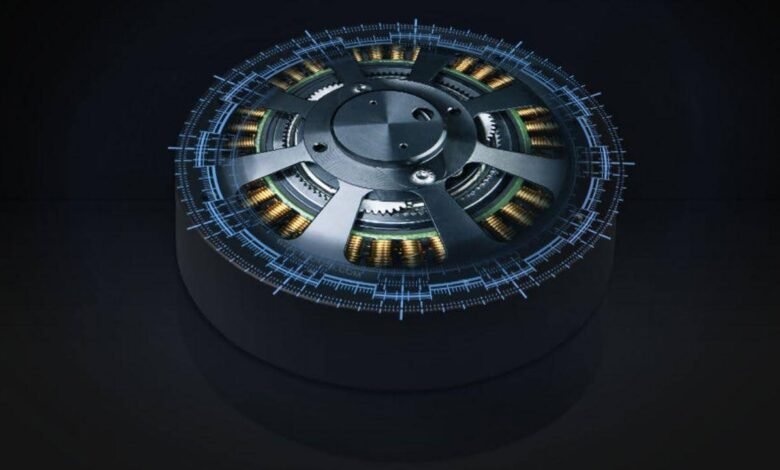
Exoskeleton Motor is a compulsory element of wearable robotic systems that strengthen, improve the mobility, and increase the endurance of a person. These special motors give the mechanical power that helps or enhances human movement in different places. Nevertheless, various industries demand distinct performance properties, and that is why customized exoskeleton motors have gained more significance in the development of robotics. Every application necessitates a specific power, precision, responsiveness, and durability balance, so customization is one of the factors that can be used to help optimize the performance.
Medical Rehabilitation and Assistive Healthcare
Customized exoskeleton motors have found one of the most significant uses in medical rehabilitation and assistive healthcare devices. Wearable robotic systems in this area are created to assist patients with injuries, strokes, or neurological conditions by regaining their mobility. Motors employed in such exoskeletons have to be well-designed so as to attain controlled and safe movements.
Rehabilitation exoskeletons tend to demand motors capable of offering the fine control of the torque and smooth assistance. It is not aimed at the overbearing of the movement of the patient but rather to regulate and encourage a natural movement during treatment sessions. These motors are usually tailored by engineers to provide smooth adjustments in forces and precise feedback of the motions so that the therapists can track the progress and make changes in the treatment programs.
Moreover, medical exoskeletons are also patient-friendly. Motor systems are also designed to be lightweight and compact to minimize the strain and enable patients to wear the device for long durations. Individualized control systems are also able to provide coordinated movement to the movements of the user, such that the user has the device to react to the physical movements.
Industrial Worker Assistance
Industrial applications are also a major area of use of the customized exoskeleton motors for workers who undertake physically demanding jobs. The plants, building sites, warehouses, and logistic bases frequently demand that workers carry heavy objects or perform repetitive movements during the working day. Exoskeletons with specialized motors can also greatly lower physical weight and enhance the productivity of workers.
Industrial motors are normally tailored to provide more torque and have high load-carrying capacities. These motors can help the workers to lift or hold heavy equipment and move it at a constant and controlled speed. It should also be a design that is resistant to working in an adverse environment that may have dust, vibrations, and be frequently used.
Responsiveness is another significant factor in the industry of exoskeleton motors. Employees require direct support in the process of lifting and moving things, and the motors should have the ability to respond to the motion as fast as possible. The system is able to identify the movement of the user and offer the necessary extent of assistance in real time with the help of customized sensors and control algorithms.
Industrial Robotics and Human–Robot Collaboration
The other emerging use of customized exoskeleton motors is in collaborative robotics, where humans and robots operate in the same environments. Exoskeleton motors can be employed in these systems in order to augment human capabilities without placing themselves at risk in terms of interaction with robotic machinery.
Customization also enables the engineers to develop motors that offer accurate control of the motion and force. This is especially necessary in the working teams where correct movements are needed to perform tasks like assembly, inspection, or manufacturing to exactness.
As an illustration, employees in exoskeleton suits could execute repetitive duties, and robot hands could be used to execute complicated tasks. Tailored motors are used to ensure that human actions and robots move in sync, enhance efficiency, and minimize the human physical load on the worker.
Research and Robotics Development
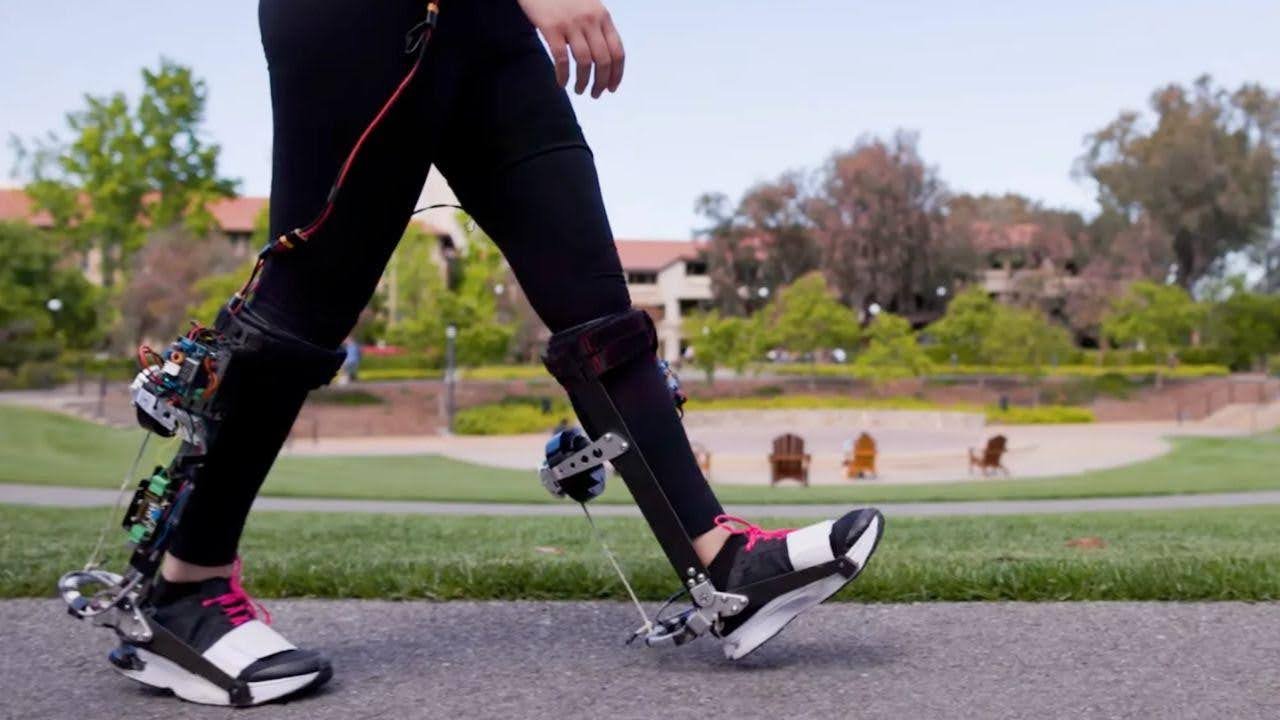
Special-purpose exoskeleton motors are also used by research institutes and makers of robotics in experimental and prototype systems. Universities and technology firms tend to develop a purpose-built robotic platform to research human movement, create new assistive technology, or research new uses of wearable robotics.
In the research world, it is common to customize motors to enable flexible configurations and modular design. To test new designs, engineers might have to test various levels of torque, control programs, or mechanical designs. Modular motors enable the researcher to change the settings of the system without overhauling the whole robotic system.
Such experimental systems tend to use sophisticated sensors, programmable long control systems, and modular actuator units. Developers can easily speed up the innovation process by developing motor components and configurations that are tailored and experimenting with new concepts.
Sports Performance and Physical Training
Sports performance and physical training are another area of the use of customized exoskeleton motors that is emerging. Wearable robotic systems with the potential to help in strength development, endurance training, and injury prevention are becoming popular among athletes and trainers.
These systems have customized motors that are meant to offer adjustable resistance or support during movement. This enables the athletes to train under controlled mechanical assistance without losing the natural body motion. Such an exoskeleton, as an example of lower-body training, can be used to offer resistance when the patient walks or runs to train certain muscle sets.
Motors are required in such applications to be very responsive and adjust to various training conditions. Customization, i.e., makes the exoskeleton system able to modify assistance levels depending on the performance and training objectives of an athlete.
Conclusion
The customized exoskeleton motors are critical in the realization of wearable robotic systems to suit the wide variety of needs among contemporary industries. Due to the need for many applications, like those in healthcare rehabilitation, industrial worker assistance, military operations, collaborative robotics, and sports training, to have performance characteristics unique to themselves, standard motor designs are frequently inadequate. Customization enables the engineers to adjust the motor torque, speed, control mechanism, mechanical integration, and communication interface to suit the unique requirements of the particular robotic application.
Exoskeleton motors can provide better efficiency, a higher degree of reliability, and make use more comfortable through custom designs. They facilitate the rehabilitation of patients in a controlled and safe environment in healthcare. They minimize the fatigue of the workers in industrial settings and enhance productivity. The military systems are also advantaged with stronger and more durable systems, and the development of research and robotics depends on the flexibility of the motor configurations. Customized exoskeleton technology is even coming to the fore in emerging disciplines like athletic training, so as to enhance physical performance.