Custom Awning Installation Solutions to Enhance Outdoor Comfort, Shade, and Energy Efficiency

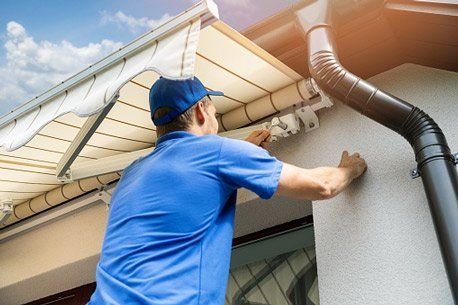
Awnings have long been appreciated for their ability to transform outdoor spaces, offering shade, protection, and aesthetic appeal in a way that combines utility with elegance. Whether for a residential patio, commercial storefront, or recreational vehicle, awning installation represents a practical investment that enhances comfort, extends usability, and elevates the overall look of a property. The process of installing an awning, however, is not merely a matter of attaching fabric and metal to a surface; it requires careful planning, selection of appropriate materials, and meticulous attention to detail to ensure safety, durability, and long-term performance.
A properly installed awning provides numerous benefits beyond its visual appeal. It can significantly reduce energy costs by shading windows and exterior spaces, protecting both the interior of buildings and outdoor furniture from sun damage, while simultaneously creating a comfortable environment for gatherings or commercial activity. For retractable systems, correct installation ensures smooth operation, allowing the awning to extend and retract efficiently without damaging mechanical components. Conversely, improper installation can result in structural instability, water leakage, or rapid wear, which may compromise safety and necessitate costly repairs. Considering these factors, investing in correct awning installation is crucial for maximizing the utility, longevity, and aesthetic value of the investment.
Types of Awnings and Their Installation Requirements
Before beginning the installation process, it is essential to understand the various types of awnings available and the specific requirements each entails. Fixed awnings are permanent structures typically mounted on walls or building frames and are constructed from durable materials such as aluminum, steel, or heavy-duty fabric. They provide long-lasting coverage and often incorporate features designed to withstand weather exposure. The installation of fixed awnings requires precision in mounting and anchoring to maintain structural integrity and to allow proper drainage during rain or snowfall.
Retractable awnings, on the other hand, offer flexibility by allowing users to extend or retract the canopy as needed. These systems can be manual or motorized, and their installation is more intricate due to the mechanical components and alignment considerations necessary for smooth operation. Freestanding awnings, commonly used for patios, decks, or outdoor events, do not attach directly to walls and rely on support posts anchored securely to the ground, demanding careful measurement and reinforcement to ensure stability against wind and environmental forces. Commercial awnings, often found on storefronts or restaurant facades, prioritize visibility, branding, and customer protection, and their installation must comply with local building codes while maintaining aesthetic appeal and safety for high-traffic areas.
Preparing for Awning Installation
Successful awning installation begins with a thorough assessment of the intended location. Accurate measurements are critical, including the width and height of the space, any potential overhangs, obstructions, or uneven surfaces, and the structural integrity of walls or posts that will support the awning. For retractable or motorized systems, it is necessary to account for full extension and ensure sufficient clearance to prevent damage or interference with nearby structures. Once the space has been evaluated, selecting appropriate materials is the next step. This includes choosing fabric that is UV- and water-resistant, selecting corrosion-resistant metal frames, and acquiring all necessary hardware, brackets, fasteners, and mechanical components. Preparing all materials and tools before installation reduces errors and ensures a smoother process.
Step-by-Step Installation Process
The installation process begins with marking and drilling precise mounting points, ensuring that the awning will be level and secure. Using a level during this step is essential for alignment, as even slight deviations can impact structural integrity and functionality. For fixed awnings, securely attaching the frame to the wall or posts is critical, while for retractable models, proper alignment of the roller mechanism is necessary to enable smooth operation. Once the frame is securely in place, fabric can be unrolled and attached according to manufacturer specifications. Ensuring that the fabric is taut but not overstretched preserves seam integrity and prevents premature wear. For retractable systems, it is important to test the extension and retraction multiple times, confirming that all components operate smoothly and without obstruction. Weatherproofing, such as sealing gaps and applying protective coatings, is the final step to prevent water infiltration and protect against wind or other environmental factors.
Overcoming Common Challenges
Even with careful planning, challenges often arise during awning installation, particularly for first-time installers or DIY enthusiasts. Uneven surfaces may require shims or adjustable brackets to maintain proper alignment, and inadequate support structures must be reinforced to bear the weight of larger awnings. Accurate measurement is paramount, as errors in this stage can create complications that are difficult to correct later. Environmental conditions should also be considered, as attempting installation during strong winds, heavy rain, or extreme temperatures can compromise both safety and the quality of work. Being proactive and patient during installation reduces the likelihood of these issues and contributes to a more durable, professional result.
Maintenance plays an equally important role in ensuring the longevity of any awning. Regular cleaning of fabric with mild soap and water removes dirt, debris, and mildew, while inspections of metal frames, brackets, and fasteners help identify signs of wear, corrosion, or loosening components. Retractable systems benefit from lubrication of moving parts to maintain smooth operation, and protective measures during storms, such as retracting the awning, to prevent damage from wind, ice, or heavy snow. Proactive maintenance ensures that the awning continues to function effectively and retains its aesthetic appeal for years to come.
Professional Installation Benefits
While DIY installation is feasible for many types of awnings, professional installation offers distinct advantages. Expert installers bring experience in evaluating structural conditions, ensuring compliance with local building codes, and handling complex mechanical systems, particularly motorized or large retractable awnings. Professional installation reduces the risk of mistakes, enhances safety, and often preserves manufacturer warranties that may be contingent upon certified installation. For larger commercial projects or intricate residential setups, hiring a professional provides peace of mind and guarantees a high-quality outcome.
In addition to functional benefits, properly installed awnings can contribute to energy efficiency and sustainability. By shading windows and outdoor spaces, awnings reduce heat gain and minimize the reliance on air conditioning, which can lead to lower energy bills and a reduced carbon footprint. Reflective coatings on fabric further enhance energy savings, while the extended protection for outdoor furniture and fixtures decreases wear and replacement frequency. Choosing durable, eco-friendly materials during installation supports sustainability goals and enhances the long-term value of the property.
Conclusion
Awning installation is a significant enhancement that combines aesthetic appeal, functional utility, and long-term protection. Whether installing a fixed, retractable, or freestanding awning, careful planning, precise execution, and regular maintenance are essential to achieving the full benefits. Understanding the different types of awnings, anticipating potential challenges, and adhering to proper installation techniques ensures safety, reliability, and durability. By integrating professional guidance when needed, investing in quality materials, and following maintenance best practices, homeowners, business owners, and DIY enthusiasts can create outdoor spaces that are comfortable, visually appealing, and efficient. Thoughtful awning installation transforms a simple structure into a lasting asset that elevates property value, enhances usability, and provides a more enjoyable and functional environment for years to come.