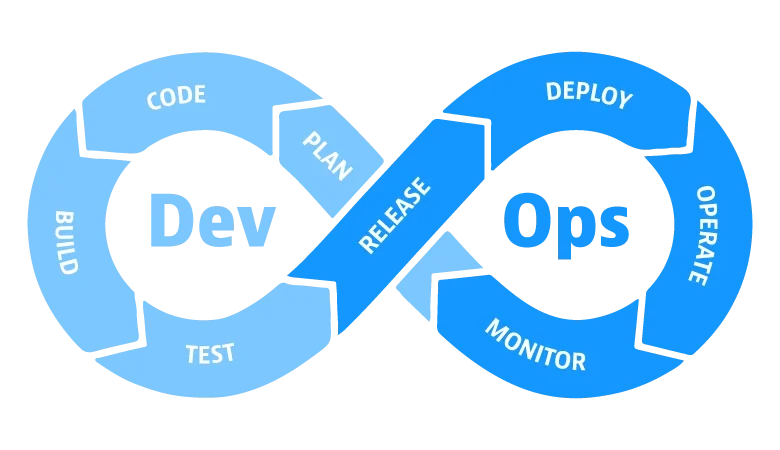
The role of a DevOps Engineer is dynamic, fast-paced, and central to modern software delivery. Every day brings new challenges — from maintaining uptime to optimizing deployment pipelines. Furthermore, DevOps engineers act as the bridge between development and operations, ensuring smooth collaboration, automation, and scalability. Their work touches every layer of IT infrastructure, from code to cloud. Additionally, they play a vital role in building systems that are fast, secure, and reliable. Whether in a startup or an offshore software development company, DevOps professionals are the silent force keeping digital ecosystems running seamlessly and efficiently behind the scenes.
1. Morning Routine: Monitoring and Planning
A typical day for a DevOps Engineer begins with reviewing system health dashboards and overnight alerts. Monitoring ensures that no service disruptions occur and that systems are performing optimally. Furthermore, they analyze logs and performance metrics using tools like Grafana, Prometheus, or Datadog to detect early signs of issues.
Once systems are stable, the next step is daily stand-ups or sprint meetings. Here, the DevOps engineer collaborates with developers, QA teams, and product managers to align priorities. Additionally, they plan deployments, discuss incidents, and review ongoing automation tasks.
This early planning sets the tone for the day. By identifying risks and addressing bottlenecks proactively, DevOps engineers help maintain agility and minimize downtime. The morning is all about stabilization — ensuring the foundation of the infrastructure remains strong before diving into deeper technical tasks.
2. Midday: Building, Automating, and Deploying
By midday, most DevOps Engineers focus on the core of their work — automation and deployment. They manage Continuous Integration/Continuous Deployment (CI/CD) pipelines, ensuring code flows seamlessly from development to production. Furthermore, they use tools like Jenkins, GitLab CI, or GitHub Actions to automate testing, building, and release processes.
Additionally, they work on improving Infrastructure as Code (IaC) using Terraform, Ansible, or AWS CloudFormation. These practices ensure that infrastructure changes are repeatable, traceable, and version-controlled. DevOps engineers also collaborate closely with developers to troubleshoot failed builds or optimize container configurations in Kubernetes or Docker.
This period of the day often involves hands-on problem-solving, debugging, and scripting. Every automation they implement saves hours of manual effort, reduces human error, and strengthens system reliability — all crucial to maintaining fast, efficient development lifecycles.
3. Afternoon: Collaboration and Troubleshooting
Afternoons often bring collaborative energy — and sometimes unexpected challenges. During this time, a DevOps Engineer assists in resolving incidents, deploying updates, or investigating anomalies that may arise post-deployment. Furthermore, they participate in root-cause analysis sessions to ensure recurring issues are permanently fixed, not just patched.
Additionally, DevOps engineers act as communication hubs. They coordinate between QA teams verifying releases and operations teams monitoring performance metrics. This cross-functional collaboration prevents silos and enhances transparency across departments.
At Techstack Digital, for example, DevOps engineers play a key role in maintaining synchronization between design, development, and delivery teams. Their ability to communicate technical problems in simple terms ensures that business and engineering teams stay aligned. This collaborative mindset is what makes DevOps so valuable — it blends technical precision with teamwork and accountability.
Evening: Monitoring, Optimization, and Documentation
As the day winds down, a DevOps Engineer transitions into performance optimization and documentation. They review post-deployment metrics, analyze resource usage, and fine-tune infrastructure for better scalability and cost efficiency. Furthermore, they update monitoring dashboards and alert rules to ensure early detection of issues in future releases.
Additionally, documenting changes and lessons learned is critical. DevOps engineers record deployment outcomes, incident reports, and system configurations for audit and compliance. This documentation helps teams replicate successful patterns and avoid repeated mistakes.
Evenings also involve preparing for the next day — scheduling maintenance windows, configuring automation scripts, and refining CI/CD workflows. By the time they sign off, they’ve ensured systems are stable, code is running smoothly, and teams are informed. It’s a satisfying close to a technically demanding yet fulfilling day.
5. Key Challenges DevOps Engineers Face Daily
While the role is rewarding, a DevOps Engineer faces several challenges. One of the biggest is balancing speed with stability. Businesses demand rapid deployment, but releasing too quickly can risk downtime or security breaches. Furthermore, managing multi-cloud or hybrid environments adds complexity — with different tools, APIs, and compliance rules to consider.
Additionally, incident response can be unpredictable. Late-night alerts, unexpected system crashes, or network slowdowns test a DevOps engineer’s resilience and adaptability. Another challenge is keeping pace with constant technological evolution — new tools and practices emerge faster than ever.
Despite these pressures, DevOps engineers thrive on solving problems creatively. Their mix of technical expertise, automation mindset, and collaboration skills allows them to overcome obstacles efficiently. In essence, every challenge becomes an opportunity to innovate and improve systems further.
Conclusion
A day in the life of a DevOps Engineer is a blend of automation, collaboration, and constant innovation. From morning monitoring to late-night optimization, every task contributes to building resilient and scalable systems. Furthermore, their role ensures that software delivery stays fast, reliable, and secure — the foundation of modern business success. Additionally, DevOps engineers act as catalysts for digital transformation, ensuring teams work seamlessly toward common goals. Whether part of a startup or an offshore software development company, DevOps professionals continue to shape the digital world — keeping innovation alive and IT infrastructure future-ready every single day.