Material Separation and Site Preparation with Skid Steer Rock Skeleton Buckets: A Practical Industry Guide

In Canada, construction sites, agricultural land, and industrial yards often contain mixed materials such as soil, rocks, and debris. Seasonal freeze and thaw cycles can shift ground composition, bringing stones and uneven material to the surface. For warehouse managers, equipment operators, and logistics professionals, managing these materials is essential for maintaining safe and efficient work areas.
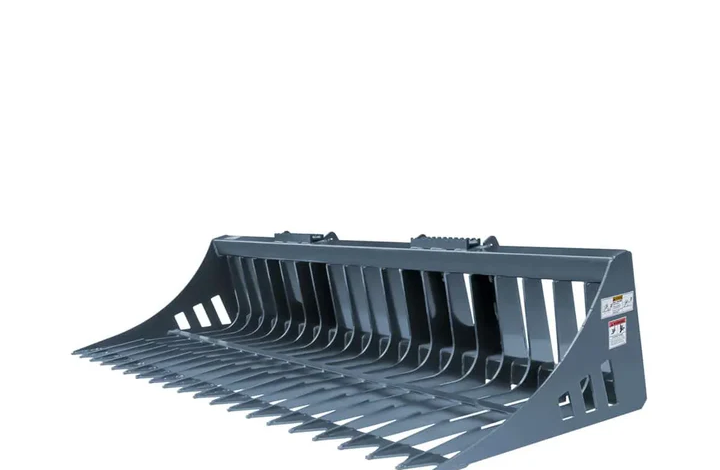
An eighty four inch skid steer rock skeleton bucket attachment is designed to separate rocks and debris from soil. This capability improves surface quality and prepares sites for further use. Understanding how this attachment functions and where it fits within operations supports better planning and execution.
Technical Overview and Use Cases
Basic Working Principle
A rock skeleton bucket features spaced steel tines that allow finer material such as soil to pass through while retaining larger rocks and debris. When the operator moves the bucket through the ground, material is sifted naturally by the spacing of the tines. This reduces the need for separate screening processes.
Typical Use Cases
Common applications include:
- Clearing rocks from agricultural land
- Preparing construction sites for grading
- Removing debris from warehouse yards
- Separating materials during landscaping projects
Efficiency, Safety, and Productivity Considerations
Material separation is an important step in maintaining operational efficiency. Mixed materials can slow down grading, compaction, and transport processes. By separating rocks from soil in a single pass, a skeleton bucket reduces the need for additional equipment and labor.
Efficiency benefits include:
- Reduced handling time for mixed materials
- Improved surface quality for subsequent operations
- Lower operational costs due to fewer processing steps
Safety also improves when debris is removed from working surfaces, reducing the risk of equipment damage and operator hazards.
Technical Requirements and Capability Considerations
Before using a skid steer rock skeleton bucket, several technical factors should be evaluated:
- Compatibility with skid steer loader capacity
- Width of the bucket relative to the work area
- Spacing between tines for desired material separation
- Strength and durability of steel components
Operators must select the appropriate tine spacing based on the size of material to be separated. Proper matching ensures efficient screening and minimizes rework.
Factors Affecting Performance and Effectiveness
Several variables influence the effectiveness of a skeleton bucket:
- Soil moisture and composition
- Size and quantity of rocks or debris
- Operator technique and bucket angle
- Wear condition of tines
Wet or compacted soil may reduce the ability of material to pass through the tines. Regular inspection ensures that the bucket maintains its intended performance.
Safety Considerations and Best Practices
Safe operation of skeleton buckets requires careful handling:
- Inspect the attachment before each use
- Ensure secure connection to the skid steer loader
- Operate at controlled speeds to prevent material spillage
- Maintain clear visibility of the work area
- Keep bystanders at a safe distance
Operators should also avoid overloading the bucket, as excessive weight can affect machine stability and increase wear on components.
Equipment Types and Related Tools
Material handling and site preparation often involve multiple tools:
- Rock skeleton buckets for material separation
- Standard buckets for loading and transport
- Land planes for surface leveling
- Compactors for ground stabilization
Each attachment supports a specific stage of the workflow, from separation to final surface preparation.
Advantages and Limitations
Advantages include:
- Efficient separation of rocks and soil in one operation
- Reduced need for additional screening equipment
- Improved surface preparation for further work
Limitations include:
- Dependence on skid steer loader compatibility
- Reduced efficiency in very wet or sticky soil conditions
- Wear of tines over time with heavy use
Real World Application Example
A construction site in Alberta required preparation of land for a new storage facility. The site contained a mix of soil and rocks that needed to be separated before grading. Operators used TMG Industrial skid steer rock skeleton buckets to remove larger debris while allowing soil to remain in place. This approach reduced the need for additional screening equipment and improved the efficiency of the grading process.
Conclusion and Future Industry Trends
Skid steer rock skeleton buckets are valuable tools for material separation and site preparation in industrial and agricultural environments. Their ability to combine loading and screening functions supports efficient workflows and improved surface quality.
Future developments are expected to focus on improved material durability, optimized tine design, and integration with precision control systems. As industries continue to emphasize efficiency and safety, versatile attachments such as skeleton buckets will remain important components of modern equipment fleets.