Introduction
A home is not only a place to live but also a long-term investment that requires proper care, maintenance, and protection to retain its value and comfort. One of the most effective ways to improve both the durability and appearance of a house is through siding installation, which serves as a protective layer on the exterior walls while also enhancing the overall design. This process plays a crucial role in shielding the structure from harsh weather conditions, improving energy efficiency, and increasing curb appeal, making it an essential consideration for both new construction and renovation projects. When properly planned and executed, siding can completely transform the look of a home while also strengthening its resistance against environmental damage, moisture penetration, and temperature fluctuations.
Importance of Exterior Protection
The exterior of a house is constantly exposed to rain, sunlight, wind, dust, and seasonal changes that can gradually weaken its structure if it is not adequately protected. Over time, these elements may lead to cracks, fading paint, mold growth, and even structural deterioration if the surface is left untreated. This is where siding becomes extremely valuable because it acts as a shield that absorbs external pressure and prevents direct exposure of the underlying walls. In addition to protection, it also contributes significantly to insulation, helping maintain a stable indoor temperature throughout the year, which reduces dependency on heating and cooling systems and ultimately lowers energy costs.
Types of Siding Materials
There are several types of materials available in the market for exterior covering, and each comes with its own advantages and limitations depending on durability, cost, appearance, and maintenance requirements. Vinyl is one of the most widely used options because it is affordable, easy to maintain, and available in a variety of colors and textures, making it suitable for many homeowners who want a balance between quality and cost-effectiveness. Wood, on the other hand, provides a natural and classic appearance that enhances the aesthetic appeal of a home but requires regular upkeep to prevent issues such as rot, insect damage, and weathering. Fiber cement is another popular choice due to its strength and resistance to fire, moisture, and pests, offering a long-lasting solution that closely resembles the look of natural wood. Metal siding, including aluminum and steel, is known for its durability and ability to withstand extreme weather conditions, while engineered wood combines the beauty of traditional wood with improved resistance and lower maintenance needs.
Process of Installation
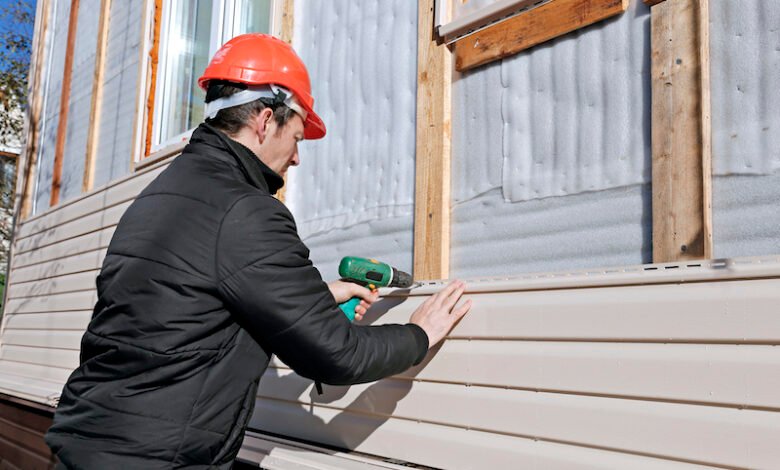
The process of siding installation involves several important steps that must be carried out with precision to ensure long-term performance and structural integrity. It typically begins with a thorough inspection of the existing exterior surface to identify any damage, weaknesses, or areas that require repair before new material is applied. Once the surface is prepared, a protective barrier is often installed to prevent moisture infiltration and enhance insulation. After that, the selected siding material is carefully measured, cut, and fixed onto the exterior walls in a way that ensures proper alignment, secure attachment, and a smooth finish. Professional expertise is highly recommended during this process because improper installation can lead to gaps, warping, and reduced lifespan of the material. In many cases, homeowners rely on experts to ensure a proper siding installation that guarantees durability and long-term performance.
Choosing the right style and design for a home’s exterior is just as important as selecting the material itself because it directly influences the overall visual impact and architectural harmony. Horizontal siding is commonly used for a traditional and clean appearance, while vertical designs create a more modern and bold look that can make a building appear taller and more structured. Shingle-style siding is often used for decorative purposes to add texture and depth, and many homeowners also combine multiple styles to create a unique and customized appearance that reflects personal taste and complements the surrounding environment.
Benefits of Quality Siding
Apart from aesthetic and structural benefits, siding also offers significant long-term advantages in terms of maintenance and property value. High-quality materials require minimal upkeep, especially those designed to resist moisture, fading, and physical damage. Regular cleaning and occasional inspections are usually enough to keep them in good condition, making them a practical choice for busy homeowners. In addition, a well-maintained exterior significantly increases property value, as potential buyers are often attracted to homes that appear modern, well-protected, and energy-efficient.
Cost considerations play an important role when planning any exterior improvement project, and siding is no exception. While some materials may require a higher initial investment, they often prove more economical over time due to reduced maintenance costs and improved energy efficiency. It is important to evaluate both short-term affordability and long-term benefits before making a final decision, as choosing the right material can lead to substantial savings in the future.
Environmental Impact and Sustainability
Environmental sustainability has also become a key factor in modern construction practices, and many siding installation options are now designed with eco-friendly materials that can be recycled or manufactured with reduced environmental impact. Energy-efficient siding contributes to lower energy consumption, which helps reduce the overall carbon footprint of a household while also providing financial savings through reduced utility bills.
Over time, even the best exterior materials may show signs of wear and tear, making it necessary to recognize when replacement is required. Indicators such as visible cracks, warping, fading color, mold growth, or increased energy costs suggest that the protective layer is no longer functioning effectively and should be replaced. In such cases, siding installation becomes essential to restore protection, improve appearance, and prevent further structural damage that could become more expensive to repair later.
Conclusion
In conclusion, siding is one of the most important elements in maintaining a safe, efficient, and visually appealing home. It not only enhances the architectural beauty of a structure but also provides essential protection against environmental factors while improving insulation and reducing maintenance requirements. By carefully selecting the right materials, ensuring proper installation, and maintaining the exterior regularly, homeowners can enjoy long-lasting benefits that significantly improve both comfort and property value. Whether building a new home or upgrading an existing one, investing in quality exterior covering is a decision that pays off in durability, efficiency, and aesthetic appeal.