Water Heater Repair: Ensuring Reliable Hot Water and Prolonging System Lifespan

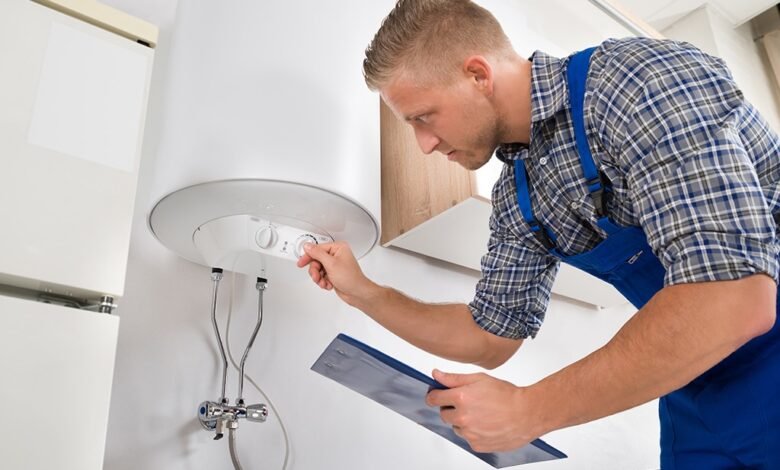
Hot water is a fundamental necessity in modern homes, essential for daily activities such as bathing, cooking, cleaning, and laundry. Water heaters are mechanical systems designed to provide a consistent supply of hot water, yet like all mechanical devices, they are subject to wear, environmental stress, and occasional malfunction. Timely and professional water heater repair is crucial to maintain system efficiency, prevent sudden failures, and extend the life of the unit. Whether the issue involves leaks, inconsistent water temperature, strange noises, or complete system shutdown, understanding the causes, diagnostic procedures, repair methods, and preventive maintenance practices can significantly reduce downtime and enhance long-term performance. This article provides a thorough exploration of water heater repair, encompassing common issues, technical considerations, safety protocols, and practical advice for homeowners and property managers seeking reliable hot water solutions.
Understanding How Water Heaters Work
Before performing water heater repair, it is important to understand the basic operation of both conventional tank-style heaters and tankless systems. Traditional water heaters store and heat water in a large tank using gas burners or electric heating elements. The thermostat regulates the temperature, ensuring a steady supply of hot water. Tankless water heaters, by contrast, heat water on demand, passing cold water through a heat exchanger activated by gas or electricity. Both systems rely on essential components such as thermostats, heating elements or burners, temperature and pressure relief valves, anode rods, and water connections to operate efficiently. Knowledge of these components is critical when diagnosing problems, identifying defective parts, and performing effective water heater repair, as each system requires specific techniques and safety precautions to restore reliable functionality.
Common Issues That Require Water Heater Repair
Water heaters encounter a range of issues over time, many of which can disrupt hot water supply or reduce efficiency. One common problem is inadequate or inconsistent hot water, often caused by faulty thermostats, sediment buildup, or malfunctioning heating elements. Leaks, whether from the tank, valves, or plumbing connections, can lead to water damage and require immediate attention. Strange noises such as popping, banging, or hissing may indicate sediment accumulation or corrosion, affecting both performance and safety. In some cases, electrical or gas components may fail, preventing the system from heating water properly or causing intermittent operation. Rust, corrosion, and worn-out anode rods are additional issues that compromise tank integrity over time. Identifying these problems promptly and scheduling water heater repair minimizes disruptions, prevents secondary damage, and ensures a consistent supply of hot water.
Tools and Equipment Needed for Water Heater Repair
Effective water heater repair requires the appropriate tools and safety equipment to diagnose and address issues efficiently. Essential tools include adjustable wrenches, pipe wrenches, screwdrivers, pliers, voltage testers, multimeters, and tubing cutters. For sediment removal or tank flushing, hoses, buckets, and cleaning brushes are necessary. When dealing with gas water heaters, tools for gas line inspection, leak detection, and burner maintenance are essential, while electric water heaters require equipment to safely test heating elements and electrical connections. Safety gear, including gloves, eye protection, and insulated tools, is critical when working with hot water, pressurized systems, or electrical components. Proper preparation with these tools ensures that repairs are performed accurately, safely, and efficiently, reducing the risk of injury and preventing further damage to the water heater system.
Step-by-Step Approach to Water Heater Repair
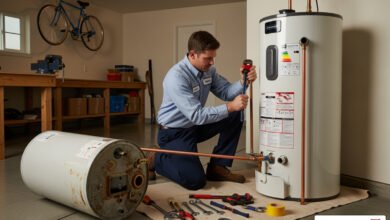
The process of water heater repair begins with a systematic approach to diagnosis and resolution, ensuring that the root cause of the problem is addressed. First, the system should turn off either the power supply for electric heaters or the gas valve for gas units to prevent accidents. A visual inspection of the tank, valves, pipes, and connections should be conducted to identify leaks, corrosion, or loose fittings. Thermostats and heating elements should be tested using a multimeter to ensure they function correctly, while sediment buildup in the tank can be removed by flushing the system. For gas heaters, burner assembly and pilot lights require inspection and cleaning to ensure proper ignition and flame stability. After components are repaired or replaced, the system should be refilled, purged of air, and tested for proper operation, temperature consistency, and absence of leaks. A methodical repair approach ensures that issues are fully resolved and that the water heater repair results in reliable, long-lasting hot water service.
Safety Precautions During Water Heater Repair
Safety is paramount during water heater repair, as these systems involve high temperatures, pressurized water, and potentially flammable gas or electrical circuits. Before beginning any repair, it is essential to shut off the water supply, power source, and gas supply if applicable. Protective gear, such as gloves and goggles, should always be used to prevent burns, chemical exposure, or electrical shock. Pressure relief valves must be handled carefully to avoid sudden releases of hot water, and proper ventilation is necessary when working with gas units to prevent the buildup of carbon monoxide. Electrical systems should always be tested to confirm the absence of live current before handling wires or heating elements. Adhering to these precautions not only protects the technician or homeowner but also ensures that the water heater repair is conducted without creating additional hazards or system damage.
Preventive Maintenance for Water Heaters
Preventive maintenance is a critical aspect of extending the lifespan and efficiency of any water heater, reducing the need for frequent water heater repair. Regular maintenance includes flushing the tank to remove sediment accumulation, inspecting the anode rod for corrosion, checking the thermostat and heating elements for accuracy, and examining valves and pipes for leaks or wear. Gas water heaters benefit from periodic inspection of burners, pilot lights, and venting systems, while electric units require checking wiring connections and electrical components. Seasonal maintenance, especially before periods of heavy hot water use, ensures the system operates efficiently, prevents unexpected breakdowns, and enhances energy efficiency. By prioritizing preventive maintenance, homeowners can minimize costly repairs, prolong the life of the unit, and maintain a reliable hot water supply.
Common Mistakes to Avoid in Water Heater Repair
Attempting water heater repair without proper knowledge or tools can exacerbate issues or create hazards. Common mistakes include failing to turn off power or gas before repairs, neglecting to drain the tank before replacing components, over-tightening connections causing leaks, or improper installation of heating elements or valves. Additionally, using incorrect replacement parts or skipping essential safety checks can compromise the system’s performance and longevity. DIY attempts without a clear understanding of the system’s mechanics may also lead to secondary problems, such as electrical shorts or water damage. To avoid these pitfalls, homeowners should carefully follow manufacturer instructions, acquire proper tools and training, or seek professional assistance for complex water heater repair, ensuring safe and effective restoration of functionality.
Energy Efficiency and Cost Considerations
Timely water heater repair not only restores hot water functionality but also has significant implications for energy efficiency and operational costs. A malfunctioning water heater may consume more energy to heat water, resulting in increased utility bills, while leaks or sediment buildup reduce heating efficiency and system lifespan. Repairing or replacing faulty components, insulating pipes and tanks, and ensuring proper thermostat calibration improves energy efficiency and reduces operating costs. Proactive repair and maintenance also prevent more expensive replacements of major components or entire units, making water heater repair a cost-effective investment in both comfort and household budget management.
When to Call a Professional for Water Heater Repair
While minor tasks like flushing a tank or replacing a thermostat can sometimes be performed by homeowners, many water heater repair tasks require professional expertise. Issues involving gas burners, electrical components, or tank leaks demand certified technicians who understand safety regulations, manufacturer specifications, and local building codes. Persistent malfunctions, sudden leaks, inconsistent water temperature, or unusual noises are clear signs that professional intervention is necessary to prevent further damage or safety risks. Certified technicians can provide comprehensive inspections, accurate diagnostics, and safe, effective repairs that ensure the water heater operates efficiently, reliably, and in compliance with industry standards.
The Future of Water Heater Repair: Smart Technology and Monitoring
Advancements in technology are transforming the landscape of water heater repair and maintenance. Smart water heaters equipped with sensors, Wi-Fi connectivity, and remote monitoring capabilities allow homeowners and technicians to track water temperature, energy consumption, and system performance in real time. Predictive maintenance algorithms can alert users to potential issues, such as leaks, corrosion, or component wear, before they result in system failure. Remote diagnostics and troubleshooting further reduce downtime and enable timely interventions, improving efficiency and reliability. As smart technology becomes increasingly integrated into residential and commercial water heaters, the future of water heater repair will focus on predictive, data-driven strategies that maximize system lifespan and energy efficiency while minimizing inconvenience and repair costs.
Conclusion: The Importance of Timely and Professional Water Heater Repair
Water heaters are essential for modern living, and timely water heater repair is critical to maintaining consistent hot water, energy efficiency, and system longevity. By understanding the common causes of malfunction, employing the appropriate tools and techniques, adhering to safety protocols, and implementing preventive maintenance, homeowners and technicians can ensure reliable and long-lasting performance. Whether addressing minor component issues, leaks, sediment buildup, or complex electrical or gas problems, professional repair guarantees that the system operates safely, efficiently, and effectively. Investing in high-quality water heater repair protects comfort, prevents costly replacements, and enhances the overall performance and reliability of hot water systems in residential and commercial settings.