Reliable Emergency Water Cleanup Services: Prevent Mold and Structural Damage

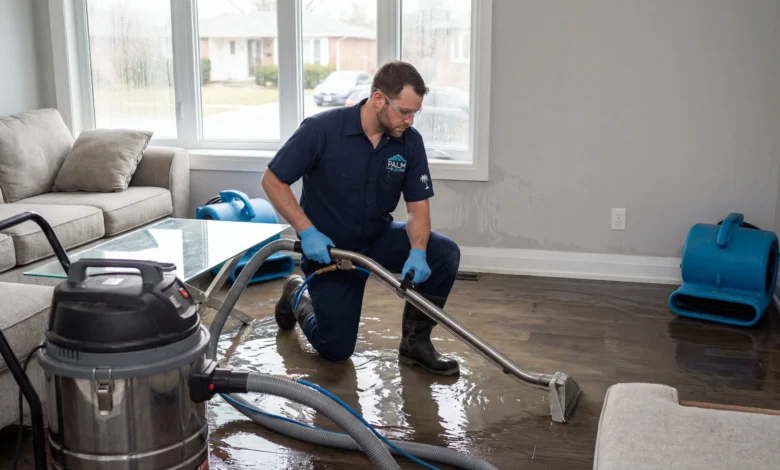
Water intrusion is one of the most destructive forces that can affect a home, whether it is caused by a burst pipe, natural flooding, or accidental leaks. Prompt action is essential when water damage occurs, as prolonged exposure can compromise structural integrity, damage personal belongings, and create health hazards. Professional emergency water cleanup services play a crucial role in mitigating damage, restoring safety, and preventing long-term problems. Understanding the process, risks, and best practices involved in emergency water cleanup is vital for homeowners seeking to protect their property and loved ones.
Emergency water cleanup involves immediate response measures to remove water, assess damage, and implement strategies to restore the property. This process requires specialized equipment, techniques, and knowledge that go beyond simple mopping or household cleaning. Delays in cleanup can lead to mold growth, electrical hazards, and structural deterioration, making professional intervention the most reliable way to ensure comprehensive restoration and peace of mind.
The Importance of Immediate Action in Emergency Water Cleanup
Time is of the essence in any water damage situation. Even a few hours of standing water can exacerbate damage, leading to warped floors, compromised walls, and ruined personal property. Professional emergency water cleanup teams respond quickly to assess the situation, remove water efficiently, and begin drying the affected areas.
Rapid intervention minimizes the risk of secondary damage, such as mold, mildew, and bacterial contamination. Mold can begin to grow within 24 to 48 hours, causing structural damage and posing serious health risks to residents, including respiratory issues, allergies, and infections. By addressing water intrusion immediately, emergency cleanup services protect both the property and the health of those living inside.
Common Causes of Water Damage Requiring Emergency Cleanup
Water emergencies can arise from a variety of sources. Burst pipes are among the most frequent causes of sudden water intrusion, often resulting from freezing temperatures, aging plumbing, or excessive pressure. Roof leaks and damaged gutters can also allow rainwater to penetrate ceilings and walls, causing extensive damage over time.
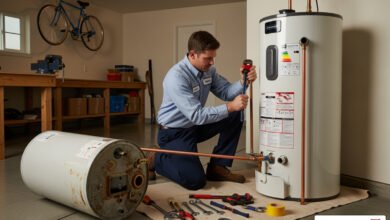
Flooding from storms, hurricanes, or overflowing rivers presents a more widespread threat, impacting multiple areas of a property and often necessitating extensive cleanup and restoration. Other causes include malfunctioning appliances such as washing machines, dishwashers, or water heaters, which can release large amounts of water in a short time. Regardless of the source, rapid professional intervention is essential to limit damage and restore safety.
Steps Involved in Emergency Water Cleanup
Professional emergency water cleanup follows a systematic process designed to address immediate risks and facilitate long-term restoration. The first step is a thorough assessment of the affected area. Technicians identify the source of the water, measure the extent of flooding, and categorize the type of water involved clean, gray, or black water, each of which requires different handling procedures.
Next, water extraction begins using specialized pumps, wet/dry vacuums, and other equipment capable of removing large volumes of water efficiently. Following extraction, drying and dehumidification are critical to prevent mold growth and further structural damage. Industrial-grade fans, dehumidifiers, and moisture detection tools ensure that all affected areas, including hidden cavities, are thoroughly dried.
Cleaning and sanitization follow, particularly when gray or black water is involved. Contaminated water carries bacteria, viruses, and other pathogens that pose significant health risks. Professional cleaners use disinfectants and antimicrobial treatments to sanitize surfaces and prevent future contamination. Finally, restoration involves repairing or replacing damaged structures, flooring, walls, and personal property, returning the home to a safe and livable condition.
Water intrusion presents a number of health hazards that homeowners must not overlook. Standing water and damp environments promote the growth of mold, bacteria, and viruses, which can trigger respiratory issues, allergies, and skin irritation. Black water, in particular, originating from sewage or contaminated floodwater, poses significant health risks due to the presence of pathogens and toxins.
Exposure to contaminated water can lead to gastrointestinal illnesses, skin infections, and more severe health complications for vulnerable populations such as children, the elderly, and individuals with weakened immune systems. Emergency water cleanup services address these risks through professional sanitization, proper containment of contaminated materials, and safe disposal of hazardous substances, ensuring a healthy living environment.
The Role of Technology in Modern Water Cleanup
Modern emergency water cleanup relies heavily on advanced technology to detect, remove, and mitigate water damage efficiently. Moisture meters, thermal imaging cameras, and infrared scanners allow technicians to identify hidden water pockets behind walls, under floors, or within ceilings, preventing long-term damage that might go unnoticed.
Industrial-grade pumps and extraction equipment remove large volumes of water quickly, while dehumidifiers and air movers accelerate the drying process, reducing the likelihood of mold growth. Antimicrobial fogging systems and specialized cleaning solutions ensure thorough sanitization, especially in areas exposed to contaminated water. By leveraging technology, professional teams can provide faster, safer, and more comprehensive restoration than manual methods.
Selecting a reputable emergency water cleanup provider is crucial for effective mitigation and restoration. Homeowners should look for licensed and insured companies with experience handling various types of water damage. Certifications from organizations such as the Institute of Inspection, Cleaning, and Restoration Certification (IICRC) indicate adherence to industry standards and best practices.
Reputation and reviews are important indicators of reliability and quality of service. Prompt response times, transparent pricing, and clear communication are also essential qualities in a professional service. A dependable provider should offer 24/7 emergency response, comprehensive assessment, and a detailed plan for extraction, drying, cleaning, and restoration. By choosing a qualified company, homeowners ensure that their property is restored safely, efficiently, and with long-term protection against future problems.
Prevention and Preparedness for Water Emergencies
While some water emergencies are unavoidable, homeowners can take proactive steps to reduce the risk and impact of water damage. Regular maintenance of plumbing, roofing, and drainage systems helps prevent leaks and structural compromise. Installing water detection alarms, sump pumps, and backflow preventers can alert residents to problems early and minimize damage.
Maintaining proper grading around the property and ensuring gutters and downspouts are clear reduces the likelihood of basement flooding. Keeping an emergency kit and a list of professional water cleanup contacts ensures that families can respond quickly in case of an emergency. Being prepared not only minimizes physical damage but also reduces stress and disruption for residents during water-related incidents.
Cost Considerations for Emergency Water Cleanup
The cost of emergency water cleanup varies depending on the extent of damage, the type of water involved, and the size of the affected area. Minor leaks or small-scale flooding may require limited extraction and drying, while extensive flood damage, black water contamination, or structural compromise will necessitate comprehensive cleanup and restoration, which can be more costly.
Many insurance policies cover water damage, depending on the source and circumstances, so homeowners should review their coverage and document damage for claims. Investing in professional cleanup services ensures that the work is completed correctly, preventing recurring problems, reducing long-term costs, and protecting property value.
Professional emergency water cleanup provides benefits that extend beyond immediate mitigation. By addressing water damage promptly and thoroughly, homeowners prevent mold growth, structural deterioration, and damage to personal belongings. Efficient cleanup and restoration restore comfort, safety, and property aesthetics, allowing families to resume normal routines quickly.
Additionally, professional services often include recommendations for preventive measures, helping homeowners minimize future risks. The expertise, equipment, and experience provided by certified technicians ensure that properties are not only restored but also better protected against potential water emergencies.
Conclusion
Emergency water cleanup is an essential service for protecting homes and families from the destructive effects of water intrusion. Rapid response, professional extraction, thorough drying, and sanitization are key components of effective water damage mitigation. By understanding the causes, risks, and best practices for cleanup, homeowners can respond confidently to emergencies, safeguard their health, and minimize structural damage.
Investing in professional emergency water cleanup ensures that water damage is addressed efficiently, thoroughly, and safely. With advanced technology, trained technicians, and industry-standard procedures, these services restore homes to their original condition, prevent long-term problems, and provide peace of mind. Whether dealing with minor leaks, severe flooding, or contaminated water, professional intervention is the most reliable way to protect property, health, and overall quality of life.