Complete Roof Repair Guide: Identifying Common Issues and Choosing Effective Repair Solutions

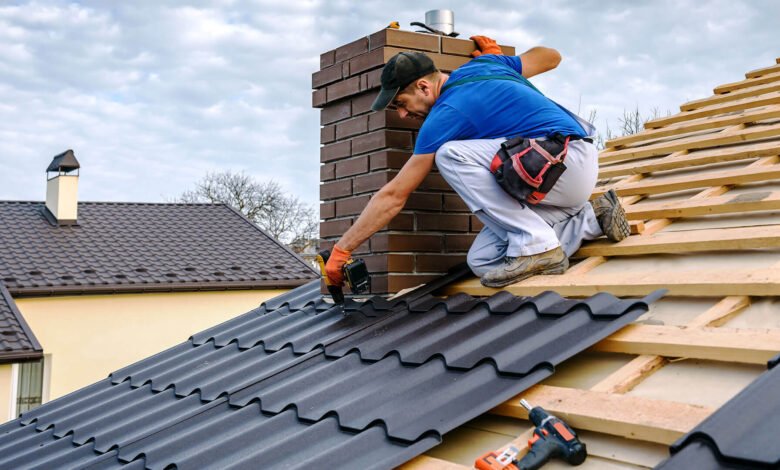
A roof is one of the most critical components of any building, providing protection against environmental elements, regulating temperature, and maintaining structural integrity. Over time, roofs are exposed to harsh weather conditions, wear and tear, and unexpected damage, making roof repair an essential aspect of property maintenance. Properly executed roof repair not only extends the lifespan of the roof but also prevents costly structural damage, ensures safety, and enhances the overall value and aesthetics of a property.
Homeowners and property managers often underestimate the importance of timely roof repairs, assuming minor issues can be left unattended. However, even small leaks, missing shingles, or cracks in flashing can escalate into significant problems, causing water damage, mold growth, and structural deterioration. Engaging a professional roofer for regular inspections and timely repairs is the most reliable way to protect the investment in a home or commercial property.
Understanding the Importance of Roof Repair
Roof repair serves multiple critical purposes. First and foremost, it addresses existing damage that compromises the roof’s protective function. Leaks, broken shingles, damaged flashing, and deteriorated underlayment are common problems that, if left unaddressed, can lead to extensive water infiltration and interior damage. Repairing these issues promptly prevents further structural harm, protects interior finishes, and maintains a safe living or working environment.
In addition to immediate protection, roof repair preserves the overall lifespan and efficiency of the roofing system. Regular maintenance and repair prevent accelerated deterioration, ensuring that the roof performs effectively for many years. Timely repair also contributes to energy efficiency by maintaining insulation integrity and reducing heat loss or gain, which can impact heating and cooling costs.
Common Signs That Roof Repair Is Needed
Recognizing the signs that a roof requires repair is critical for timely intervention. Water stains or discoloration on ceilings or walls indicate leaks that may originate from damaged shingles, flashing, or underlayment. Missing, curled, or cracked shingles are visible signs of wear that compromise protection and may require partial or complete replacement.
Other indicators include sagging areas, granule loss from asphalt shingles, moss or algae growth, and unusual energy bills, which may suggest poor insulation or ventilation issues. Roof leaks may also manifest as damp odors, mold growth, or water dripping during rainstorms. Regular inspections by a professional roofer help detect these issues early, allowing for targeted repairs before more extensive damage occurs.
Types of Roof Repair Services
Roof repair encompasses a variety of services, tailored to the type of roofing material, the extent of damage, and the specific needs of the property. Shingle repair is among the most common, involving replacement of broken, missing, or curled shingles to restore the roof’s integrity. Asphalt, metal, tile, and slate roofs each require specialized techniques to address material-specific issues.
Flashing repair is another critical service, addressing leaks around chimneys, vents, skylights, and roof edges. Damaged flashing allows water penetration, which can cause localized leaks and structural damage if not repaired promptly. Leak detection and sealing involve identifying hidden sources of water infiltration and applying waterproofing materials or sealants to restore the roof’s protective barrier.
For older roofs or extensive damage, partial or full roof replacement may be recommended, particularly when multiple repairs would not provide a long-term solution. Professional roofers evaluate the cost-effectiveness of repairs versus replacement, ensuring that property owners make informed decisions that maximize durability and value.
Materials and Techniques Used in Roof Repair
The materials and techniques used in roof repair depend on the type of roof and the nature of the damage. Asphalt shingles are repaired by replacing individual shingles and sealing gaps with roofing cement. Metal roofs may require patching, resealing seams, or replacing corroded panels. Tile and slate roofs involve carefully removing broken tiles and installing replacements while preserving structural alignment and waterproofing.
Advanced roofing materials, such as synthetic composites or rubber membranes, may require specialized adhesives or mechanical fasteners to achieve a secure and long-lasting repair. Roofers also employ techniques such as coating, waterproofing, and reinforcing weak areas to prevent recurring damage. By selecting the appropriate materials and methods, professional roofers ensure that repairs are durable, visually cohesive, and effective in protecting the building.
The Roof Repair Process
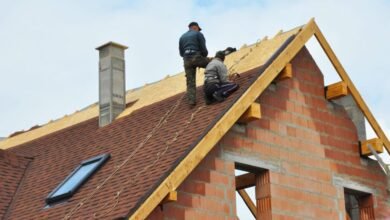
A professional roof repair project typically begins with a detailed inspection and assessment. Roofers evaluate the condition of shingles, underlayment, flashing, gutters, and structural elements to determine the scope of repair needed. Photographs and documentation help communicate the issues and plan the repair strategy.
Once the assessment is complete, the repair process begins with surface preparation, which may include cleaning debris, removing damaged materials, and drying wet areas. Damaged shingles or panels are replaced, flashing is repaired or resealed, and leaks are sealed using appropriate waterproofing materials. The roof is then inspected for alignment, drainage, and overall integrity to ensure the repair restores full protection. In some cases, minor preventive measures, such as installing gutter guards or reinforcing roof edges, are included to enhance durability.
Roof Maintenance to Prevent Future Repairs
Routine roof maintenance significantly reduces the need for extensive repairs and prolongs the lifespan of the roof. Maintenance includes cleaning debris, clearing gutters, trimming overhanging tree branches, inspecting shingles and flashing, and checking for signs of wear or damage. Seasonal inspections, particularly after heavy storms or extreme weather events, help identify issues before they escalate.
Applying protective coatings, resealing vulnerable areas, and ensuring proper ventilation are also effective preventive strategies. Regular maintenance not only preserves the roof’s functionality and appearance but also enhances energy efficiency and protects the overall structural integrity of the building. Homeowners who prioritize maintenance reduce the likelihood of emergency repairs and enjoy long-term cost savings.
Common Challenges in Roof Repair
Roof repair projects often encounter challenges that require expertise and problem-solving skills. Limited access to certain roof areas, steep slopes, or complex architectural features can complicate repairs and require specialized equipment or safety measures. Weather conditions, such as rain, high winds, or extreme temperatures, may delay repairs or affect the quality of materials applied.
Hidden damage, such as water infiltration beneath shingles or compromised underlayment, can also complicate repair efforts. Professional roofers employ advanced diagnostic tools, safety protocols, and industry best practices to address these challenges and ensure a durable, effective repair. Their experience allows them to identify underlying problems, recommend the most appropriate solutions, and complete the repair efficiently and safely.
Cost Considerations and Value of Professional Repairs
The cost of roof repair depends on factors such as the extent of damage, type of roofing material, labor requirements, and regional pricing variations. Minor repairs, such as replacing a few shingles or sealing small leaks, are relatively inexpensive, while extensive repairs or partial roof replacements may require a higher investment.
Engaging a professional roofer for repairs provides long-term value, as their expertise ensures that the repair is durable, effective, and compliant with building codes. DIY repairs may save money initially but can result in recurring problems, structural damage, or reduced roof lifespan. Professional repairs protect property value, enhance energy efficiency, and maintain safety, making the investment worthwhile.
Emergency Roof Repair Services
Storms, high winds, and other unexpected events can cause sudden roof damage that requires immediate attention. Emergency roof repair services are designed to address urgent issues quickly, preventing further damage and ensuring the safety of occupants. Roofers offering emergency services are equipped with the tools, materials, and expertise to stabilize damaged areas, patch leaks, and implement temporary or permanent repairs as needed.
Having access to reliable emergency roof repair services provides peace of mind, particularly in regions prone to severe weather. Quick intervention prevents minor damage from escalating and reduces the overall cost and disruption associated with roof repairs.
Long-Term Benefits of Timely Roof Repair
Timely roof repair provides long-term benefits for property owners, including enhanced durability, safety, energy efficiency, and property value. By addressing issues promptly, homeowners avoid water damage, mold growth, and structural deterioration. Repairs also help maintain insulation and ventilation effectiveness, reducing energy costs and improving indoor comfort.
In addition, professional roof repairs enhance curb appeal, contributing to the aesthetic value of the property. For commercial properties, well-maintained roofs support operational continuity, prevent business interruptions, and project a professional image. Overall, roof repair is a strategic investment that safeguards the building, protects occupants, and extends the functional life of the roof.
Conclusion
Roof repair is a critical aspect of property maintenance, ensuring safety, durability, and long-term performance. From identifying early signs of damage to selecting appropriate materials, executing repairs with precision, and implementing preventive maintenance, every step contributes to a reliable and efficient roofing system. Professional roofers provide the expertise, tools, and experience necessary to perform repairs that withstand environmental challenges and protect the property for years to come.
Investing in timely roof repair not only addresses immediate problems but also preserves property value, enhances energy efficiency, and prevents costly structural damage. By understanding the importance of repair, recognizing warning signs, and engaging professional services, homeowners and property managers can maintain their roofs in optimal condition and enjoy lasting protection and comfort.