Solar Film for Windows: Reduce Heat, Glare and Sun Discomfort Without Replacing Glass

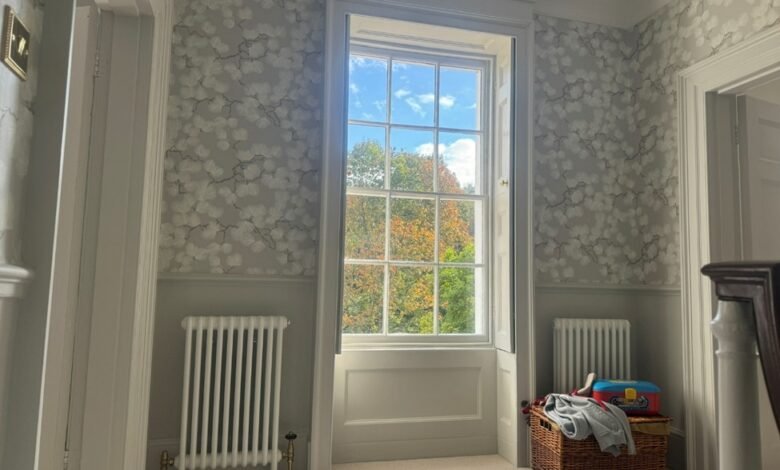
Solar film for windows is one of the most practical upgrades for rooms that overheat, suffer from harsh glare, or feel uncomfortable during bright weather. It’s especially popular in conservatories, glazed extensions, south-facing living rooms, and offices with large areas of glass.
If you’re considering solar film for windows, this guide explains what it does, what it doesn’t do, and how to choose a film that genuinely improves comfort rather than just changing the look of the glass.
What is solar film for windows?
Solar control window film is a thin, multi-layer film applied to glazing to reduce the amount of solar energy entering a building. Depending on the film type, it can help with:
- Heat reduction (often by targeting infrared energy)
- Glare reduction (cutting harsh visible light)
- UV filtering (helping protect interiors)
Some solar films are more reflective, some are more neutral (less obvious), and some are designed to maintain a clearer view while still reducing heat.
Why rooms overheat in the first place
Glass is brilliant for daylight, but it can also act like a greenhouse. Sunlight passes through, surfaces inside absorb energy, and heat builds up—especially in spaces with:
- Large panes of glass
- Minimal ventilation
- Dark flooring or furniture that absorbs heat
- Long sun exposure (south/west aspects)
Solar film for windows works by reducing the energy getting through the glass in the first place.
The main benefits of solar film for windows
Improved comfort in hot weather
The biggest benefit is simple: rooms feel more usable. You’re reducing the “hot spot” effect near glazing and slowing down the temperature rise during peak sun.
Reduced glare without living in the dark
A good solar film can reduce glare while still keeping the room bright. This matters in:
- Home offices
- Living rooms with TVs
- Kitchens with strong morning/afternoon sun
Protection for furnishings
Many solar films also filter UV, which helps slow fading of:
- Wooden floors
- Soft furnishings
- Artwork and photographs
- Retail displays
Potential energy savings
In some buildings, reducing solar gain can reduce the need for fans or air conditioning. The impact depends on the property, but the comfort improvement is often immediate.
Where solar film for windows works best
Conservatories and glazed extensions
These are classic candidates. Even with blinds, conservatories can become uncomfortable because blinds reduce glare but don’t always reduce heat enough.
South- and west-facing rooms
These aspects typically get the strongest sun exposure, especially in the afternoon.
Offices with large glazing
Solar film can help reduce glare on screens and improve working conditions.
Schools and public buildings
Large glazed areas can create uncomfortable learning environments. Solar control film is often a faster solution than major building changes.
Choosing the right solar film: what to consider
1) Is heat reduction the priority, or glare?
Some people mainly want to stop overheating. Others want to reduce glare on screens. Many want both.
- Heat-first: prioritise solar energy rejection
- Glare-first: prioritise glare reduction and light control
2) Do you want a reflective look or a neutral finish?
Reflective films can look modern and can add daytime privacy, but they change the exterior appearance more.
Neutral films aim to look subtler while still improving comfort.
3) Internal vs external installation
- Internal films are common and protected from weather.
- External films can be useful where internal access is difficult, but they must be designed for outdoor exposure.
4) Glass type and compatibility
Not all glazing behaves the same. Certain modern units and coatings can react differently to heat absorption. The best approach is to match the film to the glass type and exposure.
What solar film for windows won’t do (important expectations)
It won’t turn a conservatory into a cool room on the hottest day
Solar film reduces heat gain, but it doesn’t create cooling. Ventilation and shading still matter.
It won’t eliminate all fading
UV is a major contributor, but visible light and heat also play a role. Solar film helps slow the process significantly.
It won’t fix poor airflow
If a room has no ventilation, heat can still build up. Solar film helps, but airflow completes the solution.
Common mistakes to avoid
Choosing a film based on appearance only
A darker or more reflective film might look like it “must” block more heat, but performance varies by product. Focus on the problem you’re solving.
Underestimating installation quality
A great film installed poorly looks cheap. Dust contamination, creases, and messy trimming are the usual culprits.
Expecting privacy at night from reflective solar film
Some solar films are reflective and give daytime privacy, but night-time privacy depends on lighting conditions.
Practical tips for better results
- Identify the worst windows first (aspect, size, time of day)
- Decide whether you want a subtle or reflective finish
- Consider pairing film with blinds for maximum comfort
- If DIY, prioritise glass prep and cleanliness
Final thoughts
Solar film for windows is one of the quickest ways to make bright, glass-heavy spaces more comfortable. The best results come from matching the film to your main goal—heat reduction, glare control, or a balanced mix—and being realistic about what film can and can’t do.
If you choose the right film and install it neatly, the improvement in day-to-day comfort can be noticeable immediately.